Japanese Cheesecake Recipe
Introduction
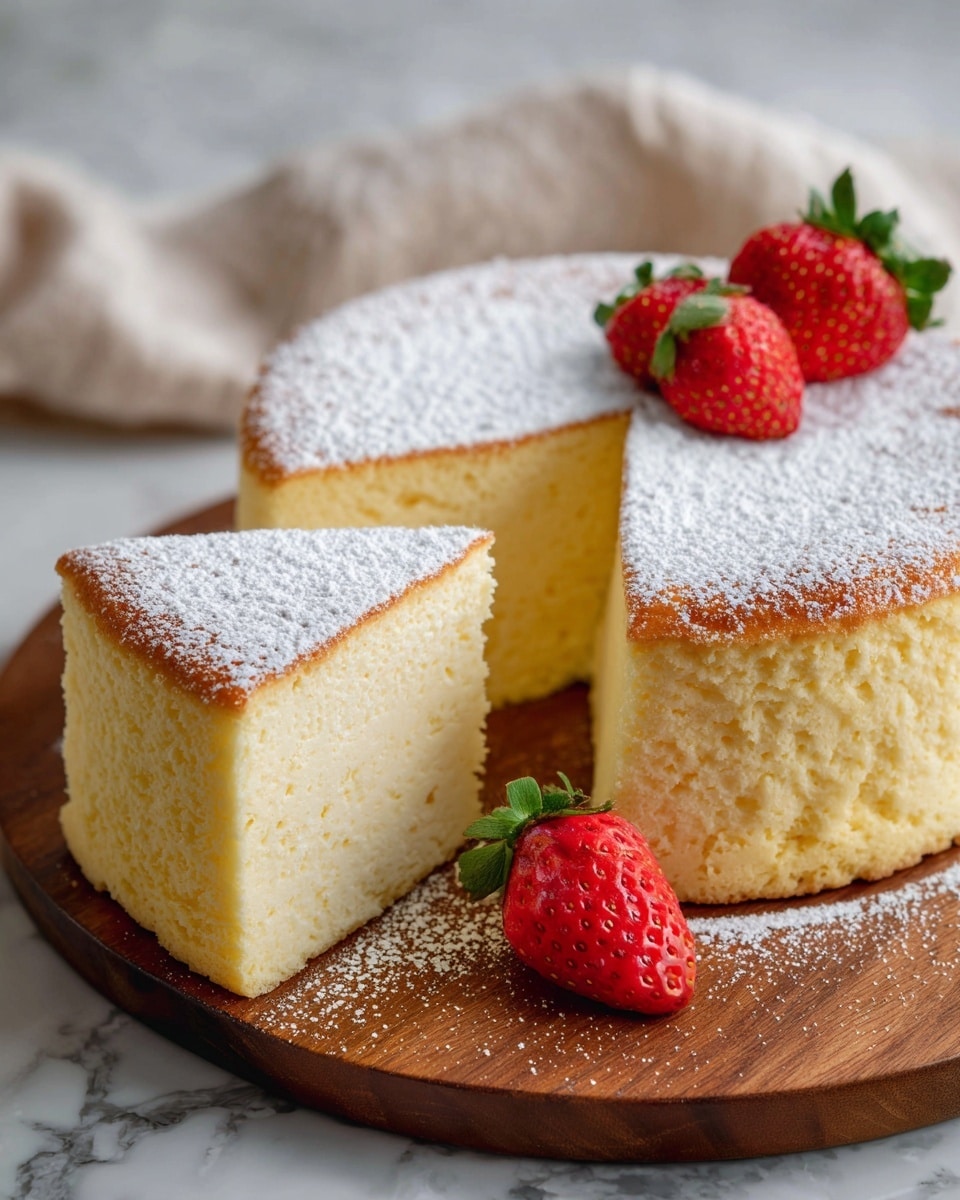
Japanese cheesecake is a light, fluffy dessert that melts in your mouth with its unique texture. This delicate treat combines the richness of cream cheese with an airy meringue, making it a perfect balance of creamy and soft. It’s a delightful twist on traditional cheesecake that’s sure to impress.
Ingredients
- 6 large eggs (separated, each about 50g)
- 8 ounces cream cheese (preferably softened)
- ¼ cup heavy cream (or full fat milk)
- 4 tablespoons unsalted butter (cut into smaller pieces)
- ½ cup cake flour (fluffed, spooned, and leveled)
- 1 tablespoon lemon zest (about 1 lemon, optional)
- 1½ teaspoons vanilla extract (optional)
- ⅓ cup granulated sugar
- 2 teaspoons lemon juice (about ⅓ of a lemon)
- Powdered sugar (for dusting)
- Apricot jam (for glazing, slightly warmed)
- Berries (for serving)
- Sweetened whipped cream (for serving)
Instructions
- Step 1: Preheat the oven to 300°F. Line the bottom of an 8 by 3 inch cake pan with parchment paper and prepare a 9 by 9 inch baking pan for a water bath. The larger pan should be able to fit the cake pan inside.
- Step 2: Bring a few inches of water to a simmer in a large saucepan or pot. Once simmering, reduce the heat to low to maintain the temperature.
- Step 3: In a heatproof bowl, place the cream cheese, butter, and cream. Set the bowl over the simmering water (bain-marie) without letting the bowl touch the water. Whisk until smooth and combined, then turn off the heat.
- Step 4: Add the egg yolks to the cream cheese mixture and mix well. Sift in the cake flour and whisk until fully incorporated and smooth. Remove from the heat and add lemon zest and vanilla extract, stirring to combine. Set aside to cool.
- Step 5: Fill the prepared 9 by 9 inch pan halfway with hot water and place it in the oven to preheat the water bath.
- Step 6: In a clean bowl, combine the egg whites and lemon juice. Using a hand mixer, whip on medium-high speed until frothy.
- Step 7: Gradually add granulated sugar to the egg whites in three parts while whipping until soft peaks form. Continue whipping for 10–20 seconds more, then reduce the speed to medium and whip until medium-soft peaks form.
- Step 8: Gently fold one-third of the meringue into the cream cheese batter to lighten it. Then fold in the remaining meringue in two additions, careful to not deflate the batter.
- Step 9: Pour the batter into the prepared cake pan. Tap the pan firmly on the counter a few times to release large air bubbles, or use a skewer to pop them.
- Step 10: Place the cake pan into the oven inside the water bath. Bake for 80 to 90 minutes, until the cheesecake is golden brown on top and a skewer inserted in the center comes out clean.
- Step 11: Remove the cheesecake from the oven and wipe off any water from the outside of the pan. Let the cake cool on its side, rotating the pan every 20 to 30 seconds until it releases from the pan.
- Step 12: Carefully flip the cheesecake onto a plate, remove the parchment paper, and flip upright onto a serving plate. Allow to cool completely.
- Step 13: Serve warm, at room temperature, or chilled. Optionally dust with powdered sugar or brush the top with warmed apricot jam for a glossy finish. Enjoy with fresh berries and sweetened whipped cream.
Tips & Variations
- Use room temperature ingredients to help the batter combine smoothly and avoid lumps.
- Make sure to whip egg whites to medium-soft peaks to achieve the signature fluffy texture without drying the meringue.
- Swap heavy cream with full-fat milk for a lighter version.
- Add a teaspoon of matcha powder to the batter for a green tea twist.
Storage
Store the Japanese cheesecake in an airtight container in the refrigerator for up to 3 days. Reheat gently in a low oven or microwave for a few seconds to enjoy it warm. For best texture, consume within two days.
How to Serve
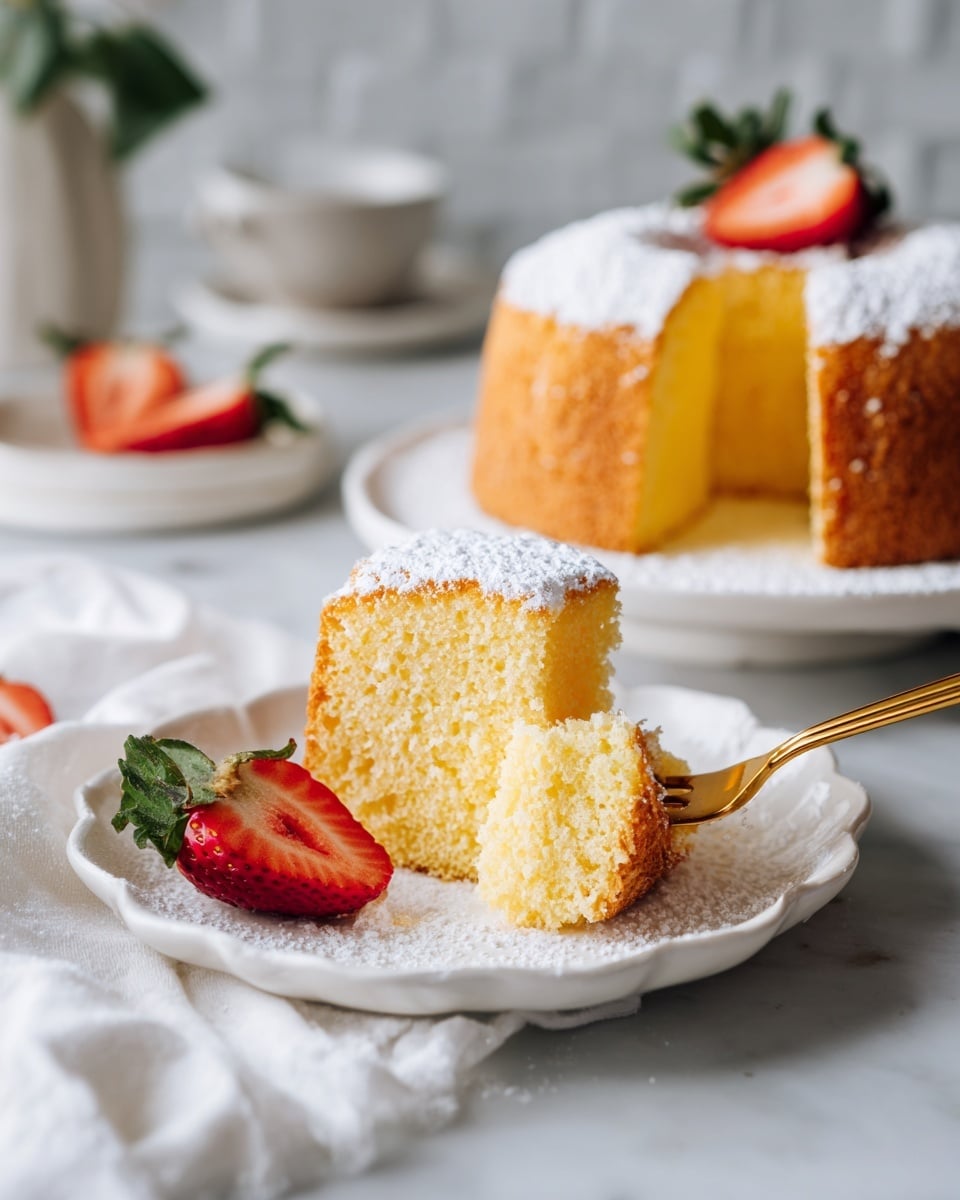
Serve this delicious recipe with your favorite sides.
FAQs
Can I use all-purpose flour instead of cake flour?
It’s best to use cake flour because it has a lower protein content, resulting in a softer, lighter cheesecake. If using all-purpose flour, the texture may be slightly denser.
Why is the cheesecake so fluffy and jiggly?
The fluffy and jiggly texture comes from folding whipped egg whites into the batter, which incorporates air and creates a light, souffle-like structure.
PrintJapanese Cheesecake Recipe
This Japanese Cheesecake is a light, fluffy, and airy dessert that combines the richness of cream cheese with the softness of a souffle. Baked in a water bath to achieve a tender texture and golden top, it is perfect served warm, chilled, or at room temperature, dusted with powdered sugar, glazed with apricot jam, and accompanied by fresh berries and whipped cream.
- Prep Time: 20 minutes
- Cook Time: 90 minutes
- Total Time: 1 hour 50 minutes
- Yield: 8 servings 1x
- Category: Dessert
- Method: Baking
- Cuisine: Japanese
Ingredients
Cheesecake Batter
- 6 large eggs, separated (about 50g each, shell-on)
- 8 ounces cream cheese, softened
- ¼ cup heavy cream (or full fat milk)
- 4 tablespoons unsalted butter, cut into smaller pieces
- ½ cup cake flour (fluffed, spooned, and leveled)
- 1 tablespoon lemon zest (about 1 lemon, optional)
- 1½ teaspoons vanilla extract (optional)
Meringue
- ⅓ cup granulated sugar
- 2 teaspoons lemon juice (about ⅓ of a lemon)
For Serving
- Powdered sugar (for dusting)
- Apricot jam (for glazing, slightly warmed up)
- Berries (fresh)
- Sweetened whipped cream
Instructions
- Prepare Equipment: Preheat the oven to 300°F. Line the bottom of an 8 by 3 inch cake pan with parchment paper. Prepare a 9 by 9 inch baking pan for the water bath; ensure the cake pan fits inside it.
- Prepare Water Bath: Bring a few inches of water to a simmer in a large saucepan or pot, then reduce to low heat to maintain a gentle simmer.
- Make the Cheesecake Base: In a heatproof bowl, place the cream cheese, butter, and heavy cream. Set it over the simmering water without touching the water and whisk until smooth and well combined. Turn off heat.
- Incorporate Egg Yolks and Flour: Whisk in the egg yolks thoroughly. Sift the cake flour into the mixture and whisk until no lumps remain. Remove from heat and add lemon zest and vanilla extract if using. Cool slightly.
- Preheat Water Bath Oven: Fill the 9 by 9 inch baking pan halfway with hot water and place in the oven to preheat.
- Prepare Meringue: In a clean bowl, beat egg whites with lemon juice on medium-high until frothy. Add sugar gradually before reaching soft peaks, then continue to whip until medium-soft peak forms.
- Combine Meringue and Batter: Fold one-third of the meringue gently into the cheesecake base to lighten it. Carefully fold in the remaining meringue in two additions until no streaks remain.
- Transfer and De-bubble: Pour batter into the prepared cake pan. Tap firmly on the counter and use a skewer if desired to remove large air bubbles.
- Bake the Cheesecake: Place cake pan into the water bath inside the oven. Bake for 80 to 90 minutes, until the top is golden brown and a skewer inserted in the center comes out clean.
- Cool in Pan: Remove from oven and dry the bottom of the pan. Let the cake cool on its side, rotating every 20 to 30 seconds to release from the pan.
- Remove from Pan: Flip the cake out onto a plate, remove parchment paper, then flip upright onto a serving plate. Allow to cool completely.
- Serve: Enjoy warm, cooled, or chilled. Optionally dust with powdered sugar or glaze with warmed apricot jam. Serve with fresh berries and whipped cream.
Notes
- Work quickly when mixing egg yolks to prevent them from scrambling during heating.
- Medium-soft peaks for meringue means the peaks hold shape but still have a slight droop.
- The water bath ensures gentle, even heat for a soft texture without cracking.
- You can substitute heavy cream with full fat milk but cream yields a richer flavor.
- Storing refrigerated cheesecake covered will keep it moist for up to 3 days.
- Glazing with apricot jam adds a subtle shine and subtle sweetness.
Keywords: Japanese cheesecake, souffle cheesecake, fluffy cheesecake, water bath cheesecake, soft cheesecake dessert